



Chef Hafizzul Hashim
Head Chef, Restaurant Fiz
At Fiz, we embrace this culinary intersection, celebrating the intersection of Western and Eastern influences that have shaped Southeast Asian cuisine into the vibrant tapestry it is today. Our philosophy is rooted in the belief that food is more than just sustenance—it is a reflection of our shared humanity, a bridge that connects us across cultures and continents.
Through our dishes, we invite you on a journey of discovery, where every bite tells a story of cultural exchange and culinary evolution. From traditional classics to innovative creations, each dish is crafted with care and respect for the ingredients that embody the spirit of our region.
You will be learning:
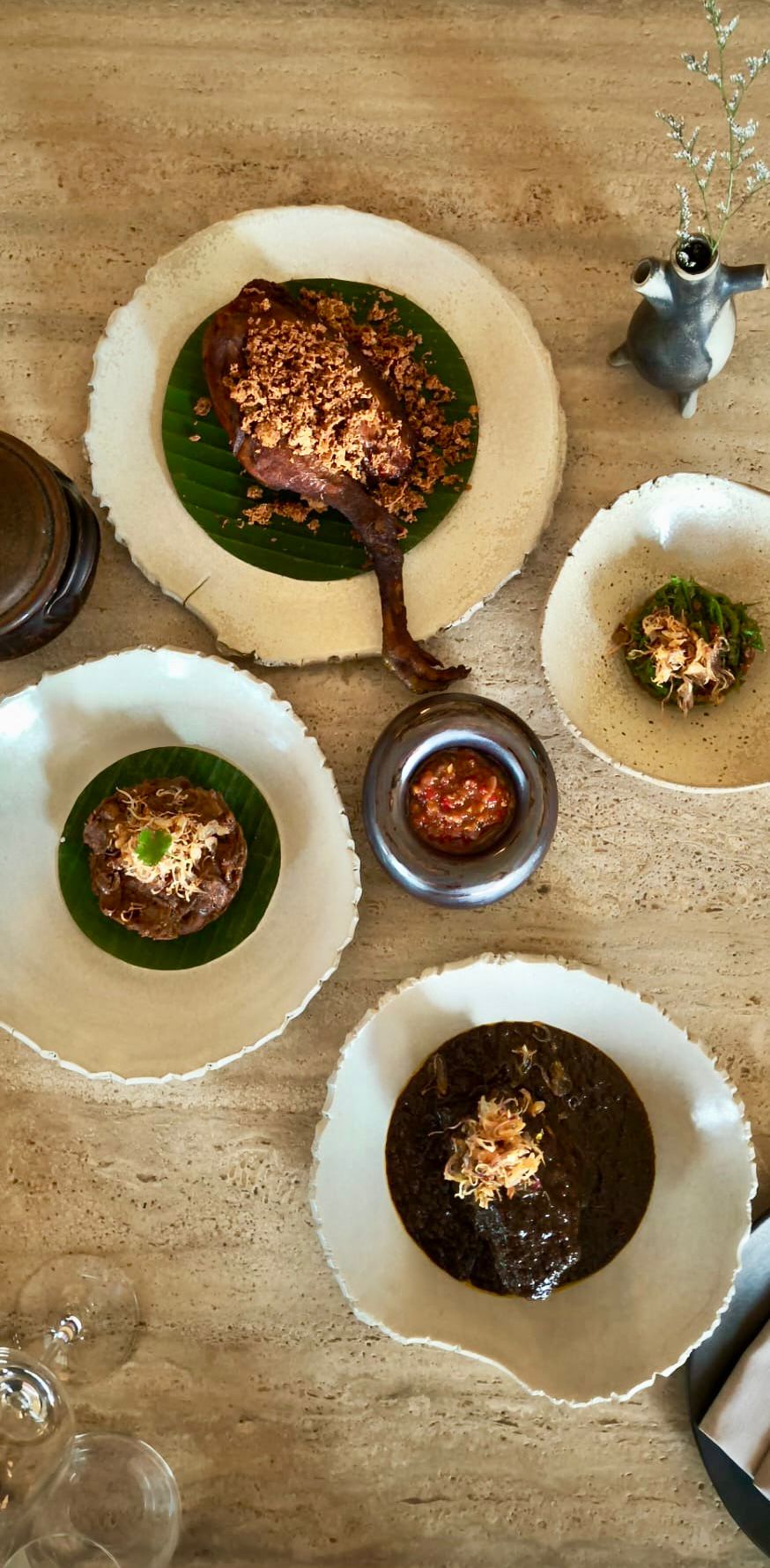
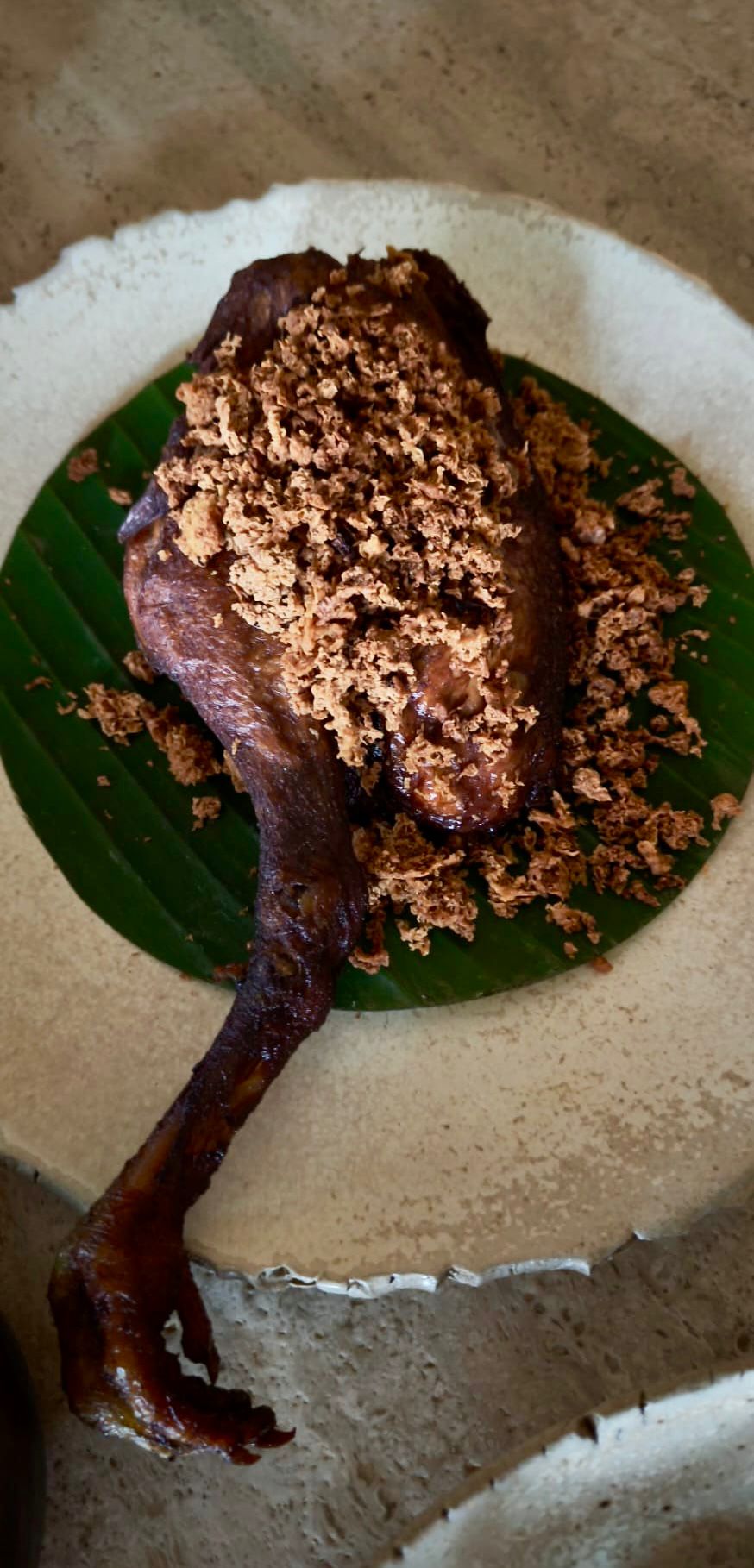
1.Ayam Goreng Suharti (Legendary Javanese Fried Chicken)
One of the most iconic and beloved fried chicken dishes from Central Java — Ayam Goreng Suharti is all about deep, soulful flavor and melt-in-your-mouth texture. The chicken is marinated in a rich Javanese-style rempah spice paste — a blend of shallots, garlic, galangal, coriander, turmeric, and lemongrass — then simmered slowly until unbelievably tender, before being deep-fried to crisp perfection. The result? A golden, aromatic crust outside, with meat so soft you can eat it all the way to the bone.
What you’ll learn:
-
How to build a deeply aromatic rempah
-
Proper marination and simmering techniques
-
Frying to achieve that signature crispness without drying out the meat
-
How to replicate that tender, fall-off-the-bone texture at home
This dish is hugely popular in Indonesia for a reason — it’s comforting, addictive, and a true expression of Javanese culinary mastery.
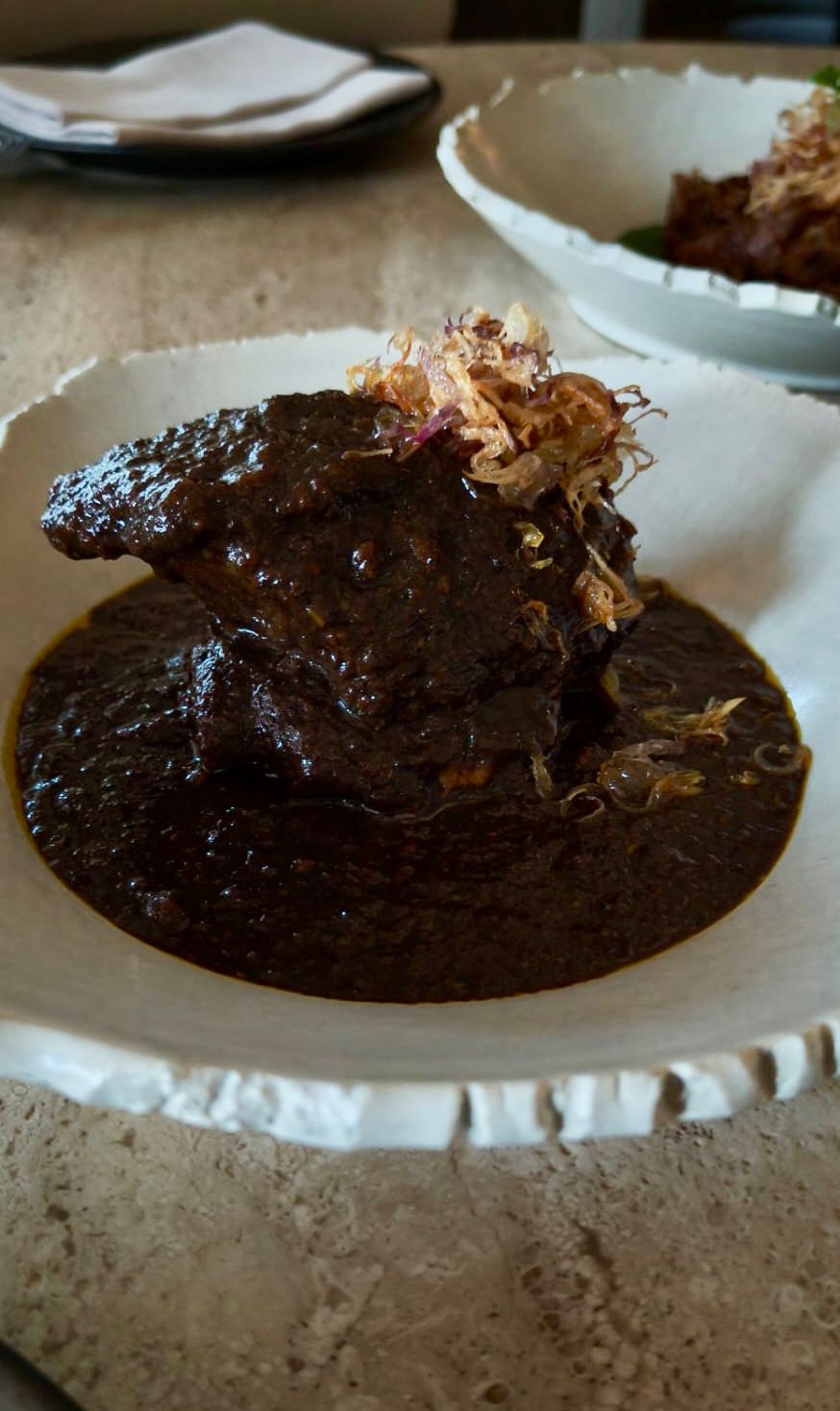
2.Beef Rawon (East Javanese Black Beef Soup)
A rich, deep, and soul-warming dish from East Java, Rawon is a uniquely dark beef soup made with keluak (black nuts), which lend an earthy, nutty depth and its signature black hue. The broth is slow-simmered with lemongrass, galangal, coriander, kaffir lime leaf, and tender beef chunks — resulting in a dish that is both bold and comforting.
It’s typically served with steamed rice, bean sprouts, sambal, and salted egg — and while it looks intense, the flavor is surprisingly smooth, layered, and aromatic.
What you’ll learn:
-
How to prepare and safely use keluak, the star ingredient
-
Techniques to build a rich, layered broth with whole spices and herbs
-
Properly cutting and braising beef for tender texture
-
Classic accompaniments and plating for traditional Rawon presentation
This is one of the most iconic soups in Indonesian cuisine — complex, elegant, and full of cultural history. A dish that truly speaks of time, patience, and heritage.
3.Gudeg Nangka(Yogyakarta-Style Braised Young Jackfruit)
A beloved classic from Yogyakarta, Gudeg Nangka is a slow-cooked stew of young jackfruit, simmered in coconut milk, palm sugar, and fragrant Javanese spices like bay leaf, coriander, galangal, and lemongrass.
The result? A dish that’s soft, loose, tender, and almost pulls apart like braised meat — all without a single strand of actual meat. The young jackfruit absorbs every layer of flavor, giving you that rich, slightly sweet, coconut-infused bite that defines this signature Central Javanese dish.
What you’ll learn:
-
How to prep and cook young jackfruit to achieve that iconic texture
-
Building flavor with slow-simmered coconut milk and spice layering
-
Achieving the perfect balance of sweet, savory, and earthy tones
4.Homemade Sambal
Bright, bold, and fragrant, Chef’s Sambal is a staple across West Sumatran and Malay kitchens — made from a blend of chilies, shallots, garlic, and lime juice, often spiked with a touch of shrimp paste (belacan) for umami depth. It’s incredibly versatile — perfect with rice, fried chicken, grilled fish, or even eggs.
What you’ll learn:
-
How to choose and balance the right chilies
-
The key difference between blending, pounding, and sautéing sambal
-
Adjusting the heat, acidity, and aroma to suit different pairings
-
Using sambal as both a condiment and a flavor base
This is a simple yet essential component of Southeast Asian cuisine — once you master it, it’ll find its way into your daily cooking.
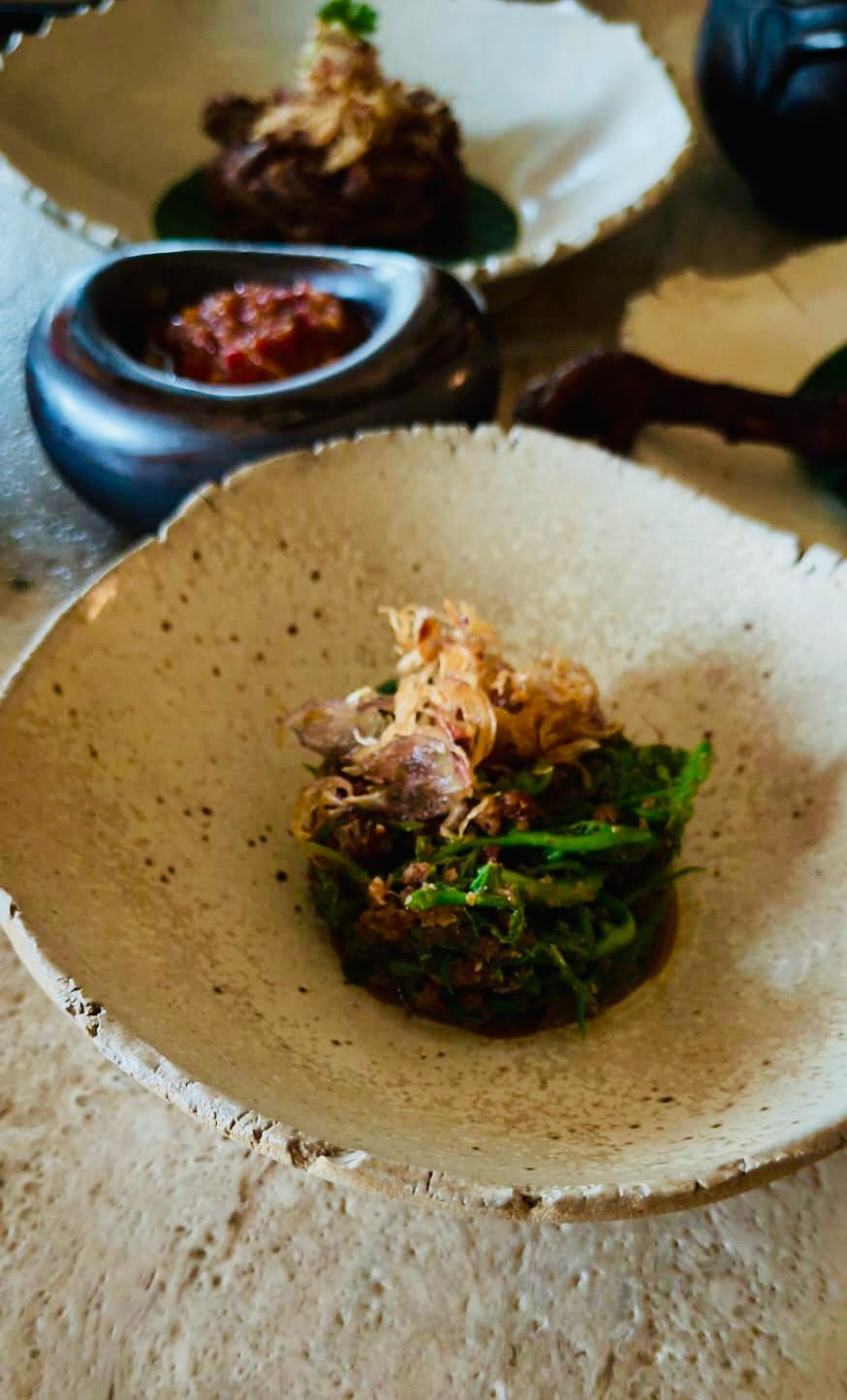
5.Urap Sayur Kampung (Spiced Coconut Vegetable Salad)
Urap is a rustic, vibrant Javanese salad made from lightly blanched vegetables — typically long beans, bean sprouts, cabbage, or spinach — tossed in freshly grated coconut that’s been seasoned with garlic, chili, shallots, and kaffir lime leaves.
It’s light, fragrant, and full of texture — a refreshing contrast to richer dishes, and a beautiful way to showcase vegetables.
What you’ll learn:
-
How to blanch and prepare vegetables for optimum color and crunch
-
Toasting and grinding coconut for maximum aroma
-
Mixing and balancing the spiced coconut dressing
-
Serving tips — urap can be eaten warm, room temp, or chilled
6. Kueh Jiwa Melayang (“Floating Soul” Dessert) (not in the pictures)
A poetic and nostalgic ending to a hearty meal — Kueh Jiwa Melayang translates to “kueh that makes your soul float.” Often steamed or baked, this traditional dessert features pandan or coconut milk, palm sugar, and rice flour or glutinous flour, depending on the variation.
The result is something soft, lightly chewy, and delicately sweet, often scented with banana leaf or pandan, and sometimes layered for contrast.
What you’ll learn:
-
How to mix and steam the batter for the right bouncy texture
-
Balancing the sweetness from gula melaka or palm sugar
-
Optional variations with coconut cream or layered techniques
-
Traditional serving styles and plating tips
This is the kind of dessert that’s comforting yet elegant, and always leaves a lasting impression — especially when served warm with a cup of tea.
Demo Master Class with onsite food testing. Detailed recipes, photos and videos will be given.
Max 20 participants